
The “Old-School” Legal Profession: Between Sociological Legacy and Normative Heritage
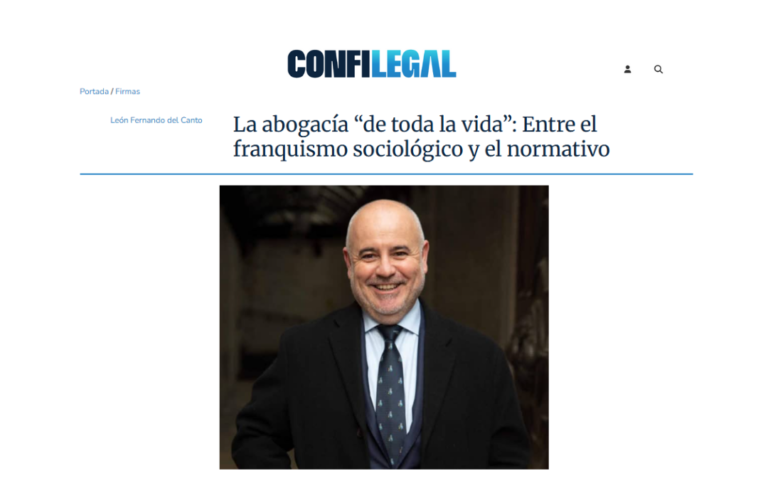
The notion of the “old-school lawyer” evokes more than long service. Historically, it signified inclusion in a professional culture steeped in corporatism and conservatism — a culture shaped during authoritarian periods and long before democratic transformation took root in modern legal systems. This legacy can still influence professional structures today, even as the profession itself becomes more diverse, independent and dynamic.
Institutional frameworks and organisational norms often reflect patterns inherited from earlier eras when legal bodies were consolidated under tightly controlled structures. These historical roots may still be visible in governance traditions, representational mechanisms and internal cultures that resist rapid change, even when the profession’s demographics and aspirations have evolved significantly.
The Persistence of Sociological Legacy
“Sociological legacy” refers to the continuity of behavioural habits, attitudes and institutional expectations that outlast the political contexts in which they originated. In the legal profession, this can manifest as unwritten assumptions about who belongs to the core of the profession, how influence is acquired, and how decisions are made — patterns that may no longer align with contemporary values of inclusion and merit.
While the profession has undergone constitutional and cultural transformation since the late twentieth century, certain institutional practices and norms remain anchored in older frameworks. This creates a tension between the evolving reality of legal practice — increasingly shaped by diverse perspectives, international standards and democratic expectations — and the legacy structures that have not adapted at the same pace.
Normative Structures and Institutional Inertia
Several foundational norms and governing documents that structure professional bodies have origins or influences traceable to earlier, less participatory frameworks. These regulatory artifacts — preserved in organisational statutes, codes and institutional hierarchies — often do not reflect the inclusive, merit-based and transparent governance expected in modern legal ecosystems.
In a profession that now includes a broad range of practitioners — from independent lawyers to specialists across jurisdictions and practice areas — slow-moving institutional norms can impede responsiveness to contemporary professional needs and societal expectations. When governance mechanisms remain anchored in tradition rather than adaptation, they risk perpetuating perceptions of exclusivity and stagnation.
The Gap Between Tradition and Professional Reality
Today’s legal landscape is characterised by demographic diversity, varied career paths and an increasingly globalised professional culture. Lawyers of all backgrounds contribute to justice systems, legal innovation and public service. Yet, the contrast between this modern professional reality and the residual forms of institutional organisation can create friction.
An institution that is comfortable in its tradition but slow to embrace change may not fully represent the composition, aspirations or potential of its members. As legal practice evolves — shaped by technological innovation, international norms, and shifting societal priorities — institutional structures must evolve to match.
Renewal Through Inclusive Reform
DelCanto believes that the legal profession must embrace a process of institutional renewal that preserves core values while fostering adaptability, inclusivity and transparency. This entails re-evaluating governance frameworks, updating normative instruments to align with democratic principles, and ensuring that organisational cultures reflect the profession’s diversity and global orientation.
Renewal is not about rejecting tradition wholesale, but about refreshing institutional air to ensure that professional organisations serve the collective interests of all practitioners — not merely the interests of a historical subset.
Conclusion: Embracing Transformation Without Losing Identity
The legal profession’s heritage offers valuable continuity and identity. Yet, for the profession to thrive in the contemporary world, it must critically engage with its institutional legacy and promote reforms that reflect the profession’s current scope and future potential.
At DelCanto, we advocate for thoughtful reflection and strategic transformation that honours professional history while advancing an inclusive, forward-looking institutional framework. Only through such engagement can the profession ensure that it remains democratic, credible and relevant in service to society and the rule of law.