
Brexit: a legal earthquake or a managed transition?
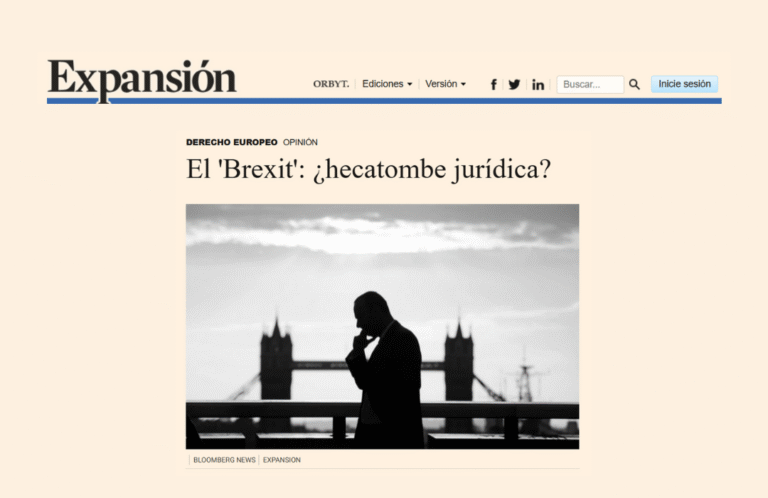
The United Kingdom’s decision to leave the European Union marked a turning point in modern European history — but its legal implications remain complex and nuanced. While political uncertainty followed the referendum, the legal landscape is less catastrophic than many predicted.
From a European and international law perspective, the UK still had several options following the triggering of Article 50 of the Lisbon Treaty: remaining in the European Economic Area (the “Norway model”), joining the European Free Trade Association (the “Swiss model”), establishing a customs union (as with Turkey), or negotiating bilateral trade agreements. Each scenario implied different levels of access to the single market and regulatory alignment.
Key legal implications
Across major legal areas, continuity rather than disruption was expected:
-
Tax and financial law: Double tax treaties remain in force, and EU-based directives largely reflect OECD principles, binding on the UK regardless of Brexit.
-
Labour and social security law: Core rights transposed into UK law are likely to remain, given the strength of British common law protections.
-
Immigration: The UK, never part of Schengen, will continue to manage its own external borders while negotiating post-Brexit mobility arrangements with EU partners.
-
Competition and intellectual property: Harmonisation at EU level has benefitted the UK’s business environment, and complete disengagement could expose transactions to national political pressures.
-
Data protection: The UK’s alignment with the EU General Data Protection Regulation (GDPR) ensures continuity in data exchange and privacy standards.
Despite initial alarm, the legal consequences of Brexit are more manageable than apocalyptic. Most EU laws embedded in UK legislation will remain, and cooperation frameworks will persist under international conventions. The real challenge lies not in legal chaos, but in negotiating a balanced new relationship between the UK and Europe.