
Crowdfunding: From Old Practice to Modern Financial Tool
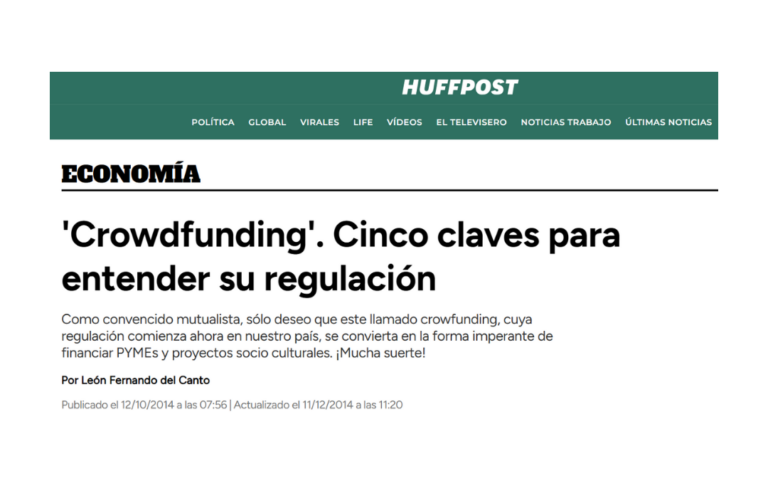
At first glance, crowdfunding may sound like a modern phenomenon powered by social networks and digital platforms. Yet, when we strip away the buzz and the neologisms, it becomes clear that crowdfunding is really a reinvigorated form of a very old practice: securing financial support from one’s community, friends and family to get an idea off the ground.
Before the advent of online platforms that aggregate thousands of small contributions with a single click, entrepreneurs and social project leaders relied on their immediate circles to raise seed capital — a tradition that dates back generations and underpins much of commerce and cultural activity.
Crowdfunding in Context: Tradition Meets Innovation
What differentiates modern crowdfunding is not its essence, but the efficiency and reach that digital technology brings to an age-old habit. The term itself — crowdfunding — has been embraced worldwide even when regulators and language authorities deliberate over nomenclature and classification.
Today, contributions to a crowdfunding initiative can come from anywhere on the globe, thanks to platforms that harness social media, digital wallets and online communities. This evolution does not negate the human core of the practice; rather, it amplifies it, connecting individuals who believe in an idea with the resources needed to make it a reality.
Social Roots and Economic Development
Although the term may sound sophisticated, crowdfunding at its core is about mutual belief and shared commitment. It transforms many small, personal commitments into the foundation for bars, shops, professional offices, documentary films, cultural associations, and social initiatives that might never otherwise have received backing.
Whether it is a grassroots cultural project or a community-oriented social enterprise, crowdfunding reflects a collective willingness to support innovation and shared value creation — often long before traditional financial mechanisms are available.
Regulation: From Nascent to Necessary
As crowdfunding has evolved from a niche practice to a mainstream financing channel, regulatory frameworks have begun to catch up. Governments and legal bodies are now designing laws to govern crowdfunding platforms and the various forms of participation they enable — from donations and rewards to equity and loan-based contributions.
This regulatory evolution is essential. A balanced legal framework must both protect contributors and preserve the openness that makes crowdfunding effective. Too much bureaucracy risks stifling the very innovation that crowdfunding seeks to enable, while too little regulation can leave participants exposed to undue risk.
Types of Participation and Legal Considerations
Crowdfunding manifests in several key forms:
Donations: Contributors give funds without expecting financial return, often motivated by altruism or belief in a social cause.
Rewards: Backers receive non-financial returns, such as products or experiences tied to the project’s success.
Equity Crowdfunding: Investors receive ownership stakes in exchange for capital, blurring the line between crowdfunding and early-stage investment.
Debt-Based Crowdfunding (Crowdlending): Contributors provide loans, expecting repayment with or without interest.
Each model carries distinct legal and practical implications — from investor protection and disclosure requirements to securities regulation and consumer rights.
Crowdfunding’s Broader Impact
Beyond its technical facets, crowdfunding fosters social participation and community solidarity. It empowers individuals to support projects that resonate with their values, expands access to capital for entrepreneurs who might otherwise be overlooked by traditional finance, and democratizes early-stage investment opportunities.
For legal professionals and policymakers, crowdfunding is not merely a financing mechanism; it is a driver of economic inclusion and cultural expression.
Conclusion: Crowdfunding’s Dual Legacy
Crowdfunding’s strength lies in its duality: it revives a traditional mode of mutual support while leveraging cutting-edge technology to amplify reach and impact. Its continued growth depends on both responsible regulation and the preservation of the participatory spirit that made it valuable in the first place.
At DelCanto, we believe that thoughtful legal frameworks, professional oversight and informed participation can harness crowdfunding’s full potential — not only as a financing tool but as a catalyst for innovation, social cohesion and shared economic opportunity.