
Ego in the Legal Profession: Not a Liability — an Essential Component
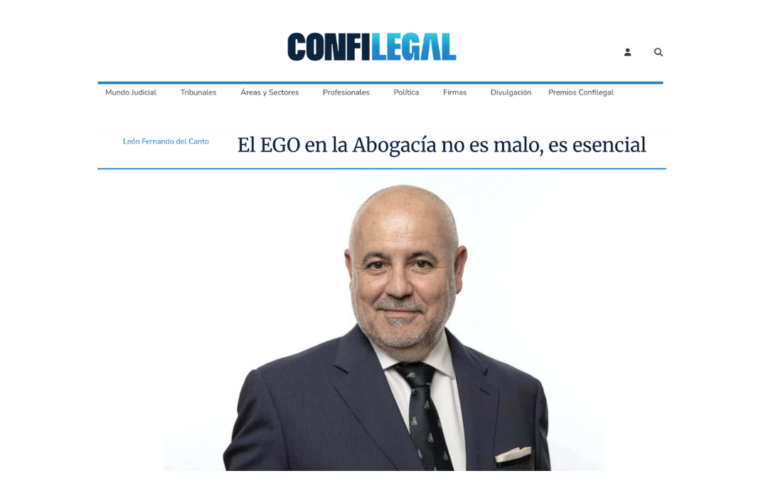
Rethinking Ego in Legal Practice
In everyday conversation, “ego” often carries negative connotations — implying arrogance, self-importance or inflated self-esteem. Yet this interpretation reflects only one side of the picture. From a psychological and professional standpoint, ego is not simply an obstacle to humility or collaboration; it is an integral part of how lawyers understand themselves, make decisions, and engage with the world around them.
Ego — from the Latin and Greek word for “I” — denotes the self in its most basic sense, the origin point for identity and conscious experience. Far from being a flaw, a well-integrated ego provides the foundation for self-awareness, narrative coherence, and professional agency.
Why Ego Matters in Law
At DelCanto, we view ego not as a superficial or self-serving trait, but as a central component of legal competence and identity. A healthy professional ego enables lawyers to:
Understand and articulate who they are as practitioners
Explain why they do the work they do and whom they serve
Engage confidently with adversaries, clients and institutions
Maintain clarity of purpose under pressure
In a field defined by conflict, negotiation and rigorous analysis, ego provides the distinct viewpoint from which a lawyer assesses risk, interprets evidence, and advocates with conviction.
Balancing Confidence with Authenticity
The challenge lies not in eliminating ego — which is neither feasible nor desirable — but in cultivating a healthy, grounded one. A professional ego must be rooted in authenticity: an honest recognition of one’s strengths, limitations, values and motivations.
Far from promoting unchecked self-interest, a balanced ego supports genuine engagement with clients, respectful interaction within legal teams, and meaningful contribution to the broader legal community.
At DelCanto, we emphasise that professional growth is inseparable from self-knowledge, and that developing a conscientious ego strengthens both individual practice and institutional integrity.
Ego as Narrative and Professional Agency
Ultimately, a lawyer’s ego is the source of their narrative — the lens through which they understand their role in the legal system and in society. In this sense, it is not a burden to be discarded, but a tool for clarity, resilience and strategic agency.
At DelCanto, we encourage legal professionals to embrace their professional identity with confidence and authenticity, recognising that a healthy ego is fundamental to effective legal practice and meaningful contribution.