
Organising the Legal Profession Is a Revolutionary Act
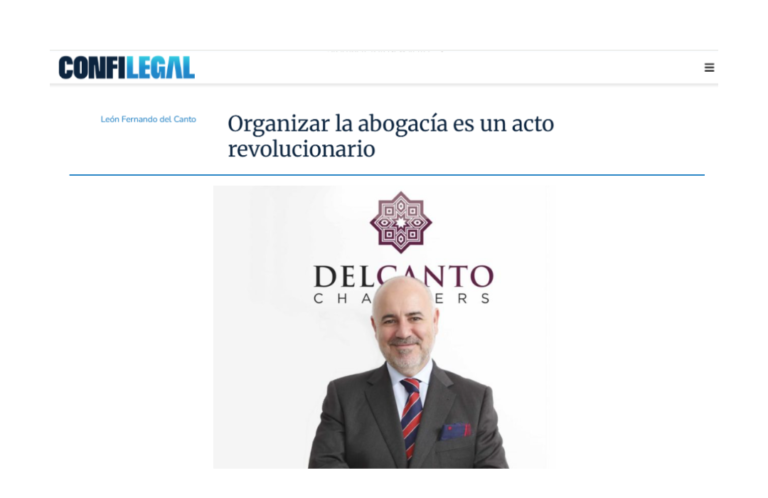
To organise is not merely to structure; it is to empower. In the context of the legal profession, meaningful organisation transcends administrative convenience — it is an act of collective agency that reshapes professional identity and influence.
At its core, organisation equips a profession with the capacity to deliberate, decide and act together. It transforms isolated practitioners into a community capable of influencing legal culture, public policy and institutional frameworks. In this sense, organisation is inherently revolutionary — not in a partisan or disruptive way, but as a transformative force that elevates agency, representation and shared purpose.
Beyond Formal Membership
Many lawyers maintain membership in professional associations without experiencing genuine engagement. Formal inclusion does not automatically translate into institutional participation. A profession that stops at registration misses the deeper potential of collective action.
True organisation engages lawyers in shared discussion, decision-making and strategic planning. It encourages them to contribute meaningfully to the future of their profession — from governance practices to ethical standards, from access to justice to professional development.
When organisation becomes dynamic rather than static, it fosters collective intelligence, shared responsibility and mutual support.
Revolutionary in Purpose, Principled in Practice
Describing organisation as revolutionary should not be mistaken for rhetoric. It reflects a profound shift in how lawyers relate to their profession and to each other. Instead of seeing themselves as isolated service providers responding only to immediate client needs, organised lawyers acknowledge their role as participants in a broader institutional and societal project.
This project has ethical and practical dimensions:
attainment of coherent professional standards
reinforcement of institutional legitimacy
active contribution to the administration of justice
advocacy for equitable, accessible and transparent legal systems
In this sense, organisation reinforces both professional autonomy and collective responsibility.
Participation as a Catalyst for Reform
One of the greatest weaknesses in many legal systems is the gap between membership numbers and active participation. Lawyers may belong to professional bodies without contributing to their deliberations or priorities.
DelCanto believes that bridging this gap is essential. Participation shouldn’t be reduced to occasional voting or passive membership. It should involve:
engagement in policy formulation
involvement in governance structures
contribution to professional education and training
active dialogue with institutional partners
When lawyers participate fully, the profession becomes more resilient, responsive and relevant.
Organisation as an Act of Agency
To organise the legal profession is to assert professional agency. It is an acknowledgement that collective action — shaped by reflection, debate and shared values — leads to institutional improvement and social legitimacy.
Organisation empowers lawyers to:
define their own standards
shape their institutional frameworks
voice their concerns with authority
contribute constructively to public debate
This is the revolutionary aspect: transforming a profession of individuals into a community of purpose.