The Internet Cannot Be the Wild West
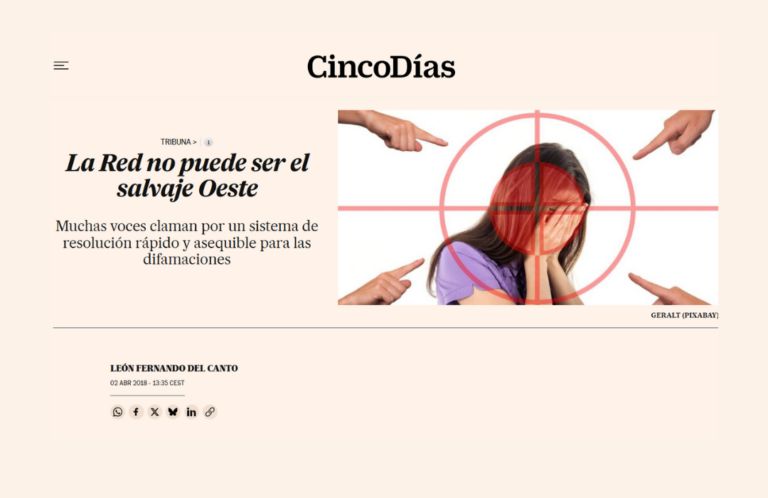
It is easy to imagine — and unfortunate how often it occurs — that someone is being defamed online right now. With a single click, misleading or defamatory content can spread globally, leaving an individual’s reputation in jeopardy with little real protection. In the apparent “anything goes” world of the internet, the law of defamation and reputation protection seems disconnected and ineffective.
Social networks and so-called digital media entered the communication landscape at high speed, disrupting traditional journalism without immediately adhering to established ethical standards. Meanwhile, judicial systems and substantive legal frameworks have adapted slowly, struggling to keep pace with a fluid digital reality. This combination has created a legal limbo where too many actors operate with impunity.
Defamation Online: A Legal and Practical Challenge
The idea that “defaming is free” has become an unspoken hashtag of social platforms — and victims often find virtually no effective recourse. Although formal legal protections for the right to one’s honour and reputation exist, the practical capacity to enforce them quickly and effectively remains limited.
In many cases, even when legal action is initiated, courts and enforcement authorities are overwhelmed by caseloads and procedural hurdles. Plaintiffs may file claims seeking removal of defamatory content, yet months can pass without decisive action — allowing false content to continue spreading unchecked.
The Limits of Self-Regulation by Platforms
Many victims of online defamation first turn to the platforms themselves, using internal reporting tools to flag offensive or harmful posts. However, these mechanisms often generate automated responses and bureaucratic delays, with minimal human review or transparency. The result is a series of roadblocks that leave users frustrated and unprotected.
In the absence of effective judicial tools, the removal of defamatory content frequently depends on court orders — decisions that are slow, costly and often inaccessible to everyday users. This not only prolongs the harm done to victims but also diminishes the perceived efficacy of existing legal rights.
Jurisdictional Fragmentation and Digital Actors
One of the most profound challenges is the jurisdictional fluidity of digital platforms. Major social networks maintain legal presences in low-regulation jurisdictions while offering services globally. This creates a situation in which platforms are effectively located “above” national legal systems, making enforcement of local laws — including defamation, privacy and online harm — far more difficult.
The advertising revenue derived from user engagement in each country further complicates the narrative: platforms profit from activity in jurisdictions that then struggle to assert legal authority over content that harms their citizens.
The Need for a Unified Legal Response
European legal authorities have recognised the need for clearer mechanisms to address illegal online content. Recent proposals aimed at streamlining “notice and action” procedures seek to make it easier to remove unlawful material, but these efforts remain far from sufficient to address the full scope of online defamation and harassment.
A truly effective system would balance the interests of free expression with robust protections for individual rights, creating responsive, transparent and enforceable pathways for victims to seek redress.
Towards Effective Regulation of Digital Platforms
The internet cannot continue to function as a de facto “Wild West” where legal norms are sidelined and individuals must fend for themselves. Instead, legal systems must:
strengthen mechanisms for rapid removal of unlawful content
ensure that online platforms are accountable under national legal frameworks
provide accessible and efficient judicial and extrajudicial remedies for defamation and online harm
foster international cooperation to address cross-border digital jurisdictional issues
Such steps would reinforce the rule of law in the digital sphere and help restore public confidence in legal protections for reputation and dignity.
Conclusion: Legal Order Online Is Not Optional
The rules that govern human interaction offline must not be abandoned online. The absence of effective legal remedies for defamatory or harmful content online undermines both individual rights and public trust in legal systems.
At DelCanto, we advocate for a comprehensive legal response to digital challenges — one that respects freedom of expression while ensuring that no platform or actor is beyond the reach of enforceable legal standards. The rule of law must extend into the digital realm if justice and dignity are to be preserved for all.