
The Legal Profession in Mexico: A Comparative Perspective
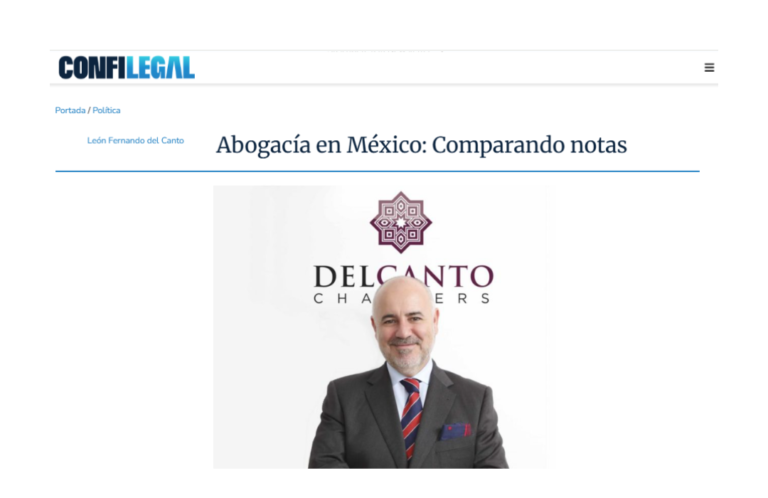
During a recent visit to Mexico City, the contrasts between legal cultures became unmistakably clear — not only in everyday experience but in the institutional identity and challenges of the legal profession itself. Mexico’s legal community is navigating profound transformation, much like its counterparts in Spain and England, but its crisis is distinct because of its unique socio-political and historical context.
Unlike many European systems, Mexico’s legal profession has developed within a federal framework characterised by diverse regional bar associations that preserve a degree of autonomy and resist uniform, corporatist models of governance. This decentralised structure reflects the country’s pluralistic legal tradition and stands in contrast with the centralised corporatism imposed historically in some other jurisdictions.
Diversity as Strength and Challenge
From a comparative perspective, the diversity of Mexico’s bar associations — each with its own identity and traditions — is not a weakness but a reflection of democratic legal culture. The federal nature of the country allows for multiple professional identities to coexist, fostering debate and institutional innovation. This diversity can be more complex and slower to negotiate, but it also preserves autonomy and encourages pluralistic engagement.
In contrast, legal systems historically marked by centralisation and uniform regulation may struggle to capture such diversity. Preserving local identities within a coherent national legal culture requires careful balance but also unlocks the potential for richer institutional dialogue and adaptation.
Constitutional Foundations and Professional Debate
One notable difference in Mexico is the constitutional basis governing its legal profession and institutional frameworks. Unlike some systems where historical regulation remains pre-constitutional or rigidly centralised, Mexico’s regulatory framework has evolved within constitutional parameters. This constitutional grounding, coupled with critical academic contributions — such as multidisciplinary legal analysis and proposals for comprehensive reform — enriches the ongoing conversation about the profession’s structure and future direction.
Mexican scholars and practitioners are actively engaging in discussions about regulatory reform, professional identity and the role of legal institutions. These debates include proposals for new legislative frameworks that could better coordinate practice standards while respecting regional autonomy.
Towards a Richer Professional Dialogue
Mexico’s legal profession is not merely a replica of other models. Its history, shaped by liberal and nationalist currents since the early 19th century, reflects broader continental patterns but with institutional variations that merit thoughtful examination. The fact that law in Mexico continues to evolve with both traditional and critical perspectives — including sociological and normative approaches — demonstrates a profession that is not static but in dynamic conversation with its own history and future trajectory.
DelCanto believes that comparative reflection — looking at legal cultures beyond our own — is essential for any profession that seeks to innovate without losing sight of its foundational values. The Mexican legal context provides fertile ground for such reflection, reminding us that diversity, debate and constitutional accountability are key components of a resilient and relevant legal profession.
Conclusion: Learning Across Borders
Understanding the legal profession in Mexico enriches global discourse about legal identity, institutional governance and professional autonomy. For DelCanto, this comparative perspective underscores a broader principle: legal practice thrives when it embraces diversity, fosters meaningful debate and evolves thoughtfully in response to both historical legacies and contemporary demands.